BLOG
The Anecdote To Fear During Hard Times
I was feeling it a little yesterday. Even with my feet firmly planted in the bigger picture (which I’m optimistic about), I recognized some fear in my body. My chest was a little tight and there was a little lump in my throat. That’s my pattern. It started when I read an article the night before that I knew was not the right choice just before bed but I did it anyway because I just had to know more.
I was feeling it a little yesterday. Even with my feet firmly planted in the bigger picture (which I’m optimistic about), I recognized some fear in my body. My chest was a little tight and there was a little lump in my throat. That’s my pattern. It started when I read an article the night before that I knew was not the right choice just before bed but I did it anyway because I just had to know more. The feeling carried through to the morning and the little practices I did to work through it are a combination of tools I’ve picked up through my Holistic Pelvic Care training and shadow exploration I’ve been doing lately.
And I thought, if I’m feeling this, with all the limitless tools that have helped through many pandemics already (I’m looking at you naturopathic medicine), maybe some others might also be experiencing this and looking for ways to move it through their bodies. Here are the two simple practices I did to help dissipate the fear.
JOURNALING: what am I afraid of? when have I felt this same fear before in my life? what did I need in that moment? who did I need it from? how do I feel about being afraid? This was this biggest realization for me. At some point, I decided it wasn’t ok to show caution and fear and still be loved. what does fear feel like in my body?
GROUNDING: Close your eyes and set a grounding cord from the base of your pelvis, through the floor and deep in the earth. Picture yourself in your favorite place in nature. Lay yourself down on the earth and feel the support. Release completely all of your burdens into that support. Call in the qualities of the universal mother: strength, softness, fierce unconditional love, whatever that means for you. These qualities reside in you at all times for you to draw from.
Fear, worry, anger, frustration or any human emotion can be taken through this process.
With such uncertain times, these practices become more important than ever and this challenge we face becomes yet another opportunity to befriend ourselves, to go deeper, and to move towards a more whole, loved version of ourselves. Healing yourself means a step towards healing the whole that we are each a part of.

Simple Tips For COVID-19 Prevention
I’m not going to update you on the status of COVID-19 because I’m sure you’re staying informed as well as possible but I’m preparing for a talk next week about things you can be doing to stay healthy, with the reminder that getting sick is also a great exercise for your immune system. Yes, this virus can be very serious for certain populations but mounting a solid immune response is essential for a properly functioning immune system throughout your life. That being said, here’s a simple list of the things you could be doing to support your immune system on a foundational level.
I’m not going to update you on the status of COVID-19 because I’m sure you’re staying informed as well as possible but I’m preparing for a talk next week about things you can be doing to stay healthy, with the reminder that getting sick is also a great exercise for your immune system. Yes, this virus can be very serious for certain populations but mounting a solid immune response is essential for a properly functioning immune system throughout your life. That being said, here’s a simple list of the things you could be doing to support your immune system on a foundational level.
Get adequate sleep and adequate rest.
Avoid sugar, alcohol and processed foods. 1 tsp of sugar can depress your immune system for up to 5 hours after consumption. That’s a BIG deal! In general, prioritizing home cooked foods, 3-5 servings of vegetables, 1-2 servings of fruits, grass-fed or pasture-raised animal proteins, legumes and whole grains is the way to go in general, but especially now.
Move your body and spend time outside. Both of these things increase the oxygen delivery to your cells and increases immune cell count in your body.
Stay hydrated. If you’ve been struggling to get in those 8 glasses of water per day, now is a great time to start.
Wash your hands > Using hand sanitizer. I read a study today that washing hands with just water alone gets rid of viruses faster than hand sanitizer. Double down and use some soap!
End your showers with a cool spray for 30 seconds to 2 minutes. This can reduce incidence of colds and flus by 50%.
Nasal irrigation: It takes up to two days for viruses to establish themselves in your mucus membranes. Regular nasal irrigation can help clear the virus before they have the chance to take hold. My favorite nasal irrigator is made by @nasopure . If you’re in Bend, Oregon , I have a ton of samples of these I’m happy to give out so just DM if you want to pick one up.
There are also plenty of fancy supplements out there to boost your immune system but by prioritizing the above, you should be in a really good place to prevent infection or handle illness as well as possible.
If you want to add a couple of raw garlic cloves to your meals and some elderberry syrup, I support you 100%. Just remember you can’t out-supplement a low quality diet and lifestyle. I’ll be posting some other tips in the near future so please follow along!

Elevated Cortisol May Be Causing Your Low Progesterone
In the adrenal glands, cortisol is literally made from progesterone, which means if you’re experiencing stress at higher levels, your body has a great demand for cortisol, which will push progesterone towards that pathway rather than being available to balance your estrogen. This becomes even worse of an issue if you’re not ovulating, due to PCOS, hypothalamic amenorrhea or because of hormonal birth control.
In the adrenal glands, cortisol is literally made from progesterone, which means if you’re experiencing stress at higher levels, your body has a great demand for cortisol, which will push progesterone towards that pathway rather than being available to balance your estrogen.
This becomes even worse of an issue if you’re not ovulating, due to PCOS, hypothalamic amenorrhea or because of hormonal birth control.
That’s one of the many reasons treating hormone imbalance with just hormone therapy or medications won’t fix the problem. If you have low progesterone or any of the other conditions I mentioned above, stress management and adrenal support are a must in creating the environment for your body to heal and find it’s proper rhythm again.
Low progesterone can be found via blood, dried urine or saliva testing (I use @dutchtest) or determined by a short luteal phase (less than 10 days from the day you ovulate until the day you bleed) and symptom picture.
If you haven’t already checked out my blog article Boosting Progesterone Naturally, please do! I’d add adrenal support (which can need tonifying or calming so it’s always worth working with someone to figure out what YOU need) as tip #7 for increasing progesterone naturally.

What to Look for In Your Sunscreen: A Guide
I’ve posted about this before but I still see people all around me using sunscreen with toxic ingredients so I’m going to keep talking about it. This is super important now as you head off on your winter vacations, catch those blue bird days on the slopes or are extra extra ready for summer (if you’re in the Northern hemisphere).
I’ve posted about this before but I still see people all around me using sunscreen with toxic ingredients so I’m going to keep talking about it. This is super important now as you head off on your winter vacations, catch those blue bird days on the slopes or are extra extra ready for summer (if you’re in the Northern hemisphere).
Start off by making sure your sunscreen doesn’t contain any of the following ingredients: oxybenzone, octinoxate, homosalate, octisalate, octocrylene. These are all know to be of moderate to high risk of hormone disruption and skin allergies. Yes, your sunscreen and the sunscreen you’re putting on your kiddos could be potentially affecting estrogen, progesterone and androgen production in your bodies. That is a big deal!
Look for reef safe products. This is important for our ecosystems from the oceans to our rivers and lakes. Let’s not be adding to the stress of these beautiful places by choosing toxic sunscreen products, K?
“I really love that white paste-y sunscreen look!” Said no one ever. I’m a real fan of “clear zinc” these days and have been happy to see my fav brands using it in their products. If you e been bummed by natural brands before because of that extra white film from the zinc, find the clear zinc products and be amazed by how easy they go on.
So, what are my recommended safe brands of sunscreen to look for? @badgerbalm , @goddessgarden & @beautycounter are all making great products that I feel good about using on my bod and my babe’s.

The Importance of Well-Woman Exams
Probably not your fav appointment you have on your schedule but usually a good idea to keep up with them anyway. I don’t perform annual exams in my office so I refer to trusted practitioners in my community. I just went in for an annual exam myself and realized it’s really important for YOU to be empowered with knowing whether or not you’re receiving an adequate and thorough exam.
Probably not your fav appointment you have on your schedule but usually a good idea to keep up with them anyway. I don’t perform annual exams in my office so I refer to trusted practitioners in my community. I just went in for an annual exam myself and realized it’s really important for YOU to be empowered with knowing whether or not you’re receiving an adequate and thorough exam.
Like most things, quality here can vary a lot and a complete exam is important for early detection of things like breast cancer, thyroid issues and also helping you figure out if there are symptoms you’re having that you might consider normal but are indicative of an underlying condition. So here are what I consider the essential elements of a complete well-woman exam.
The conversation. Your practitioner should ask about any concerns you’re having, your general health, menstrual history, any pain you’re having (cramping, with intercourse, mid-cycle), thyroid health (cold hands/feet, constipation, hair loss), weight gain/loss, unwanted hair growth, sleep & mood at the very least.
The breast exam. The breast exam should last at least 3 minutes if not 5. A thorough breast exam involved slow circular motions covering the armpit to sternum and collarbone to under the breast. The provider should be looking at your breast and inching their fingers along the tissue to make sure no areas are missed. Small growths can go easily undetected if an area is missed. Ask them to show you how to do this at home as well if you aren’t checking yourself regularly.
The pelvic exam. The exam should start with asking your experience with pelvic exams in the past. Your lymph nodes in your groin should be assessed, then pelvic muscle tone, they should check for any prolapse. Then the pap smear (when appropriate) is done and finally they should palpate (feel) your ovaries and uterus for size and texture.
Pay attention at your next exam and make sure you’re getting this kind of care and that you also really like who you’re seeing. If you don’t, move on and find someone that spends the time and listens to you.
Have any specific questions about annual exams? Ask away!

Progesterone and estrogen: your monthly hormone cycle
You probably know something about estrogen and progesterone but what is actually going on with all your hormones and what does that have to do with your symptoms? In case no one has ever walked you through your monthly hormone rhythm, read on, loves!
You probably know something about estrogen and progesterone but what is actually going on with all your hormones and what does that have to do with your symptoms? In case no one has ever walked you through your monthly hormone rhythm, read on, loves!
So, day 1 of your cycle is the first day you bleed and begins the follicular phase of your cycle. That’s when follicle stimulating hormone (FSH) rises in order to start forming a mature follicle (containing an egg) in your ovary. The egg, inside the follicle begins releasing estrogen, which restarts the development of the endometrial lining of your uterus (which is much of what is shed each month when your bleed). As estrogen rises, so does luteinizing hormone (LH) and when it is high enough, LH stimulates the egg to be released at ovulation. Ovulation should happen around day 15, give or take a few days.
Once ovulation happens, you’re in the luteal phase of your cycle. The follicle that just released and egg becomes the corpus luteum, which is what produces progesterone. The endometrial lining of uterus responds to progesterone by preparing for implantation of the egg (increased blood vessels and such). The presence of progesterone is what increases basal body temp after ovulation. If no pregnancy occurs, LH drops, progesterone drops, and prostaglandins are released that end the life of the corpus luteum and stimulates bleeding, once again. If implantation occurs, human chorionic gonadatropin (hcg and what turns a pregnancy test positive) is released and tells your pituitary gland to continue producing LH, which goes on to tell the corpus luteum to keep producing progesterone for about 7 more weeks, until the placenta can take over.
And it’s as simple as that. You can see how uncovering where and why an imbalance is happening can take some detective work. Is it the ovary? The pituitary? None of this story even touches on how the thyroid, adrenal glands or liver play a role. And then there’s the physical and energetic circulation of the reproductive organs to make things a little more complicated.
If you’ve been trying to figure out why your cycle is a little cray and you’re not getting anywhere, it’s probably because there’s so much to consider and it can be hard to do on your own. And I promise, birth control is not going to fix it. Find a practitioner that will listen and understand the complex and beautiful creature you are.
If you’re interested in working with me, I’d love to help.
Three Tools For Fever Management: Homeopathy, Hydrotherapy, and Fasting, as Well as the Benefits of Getting a Fever
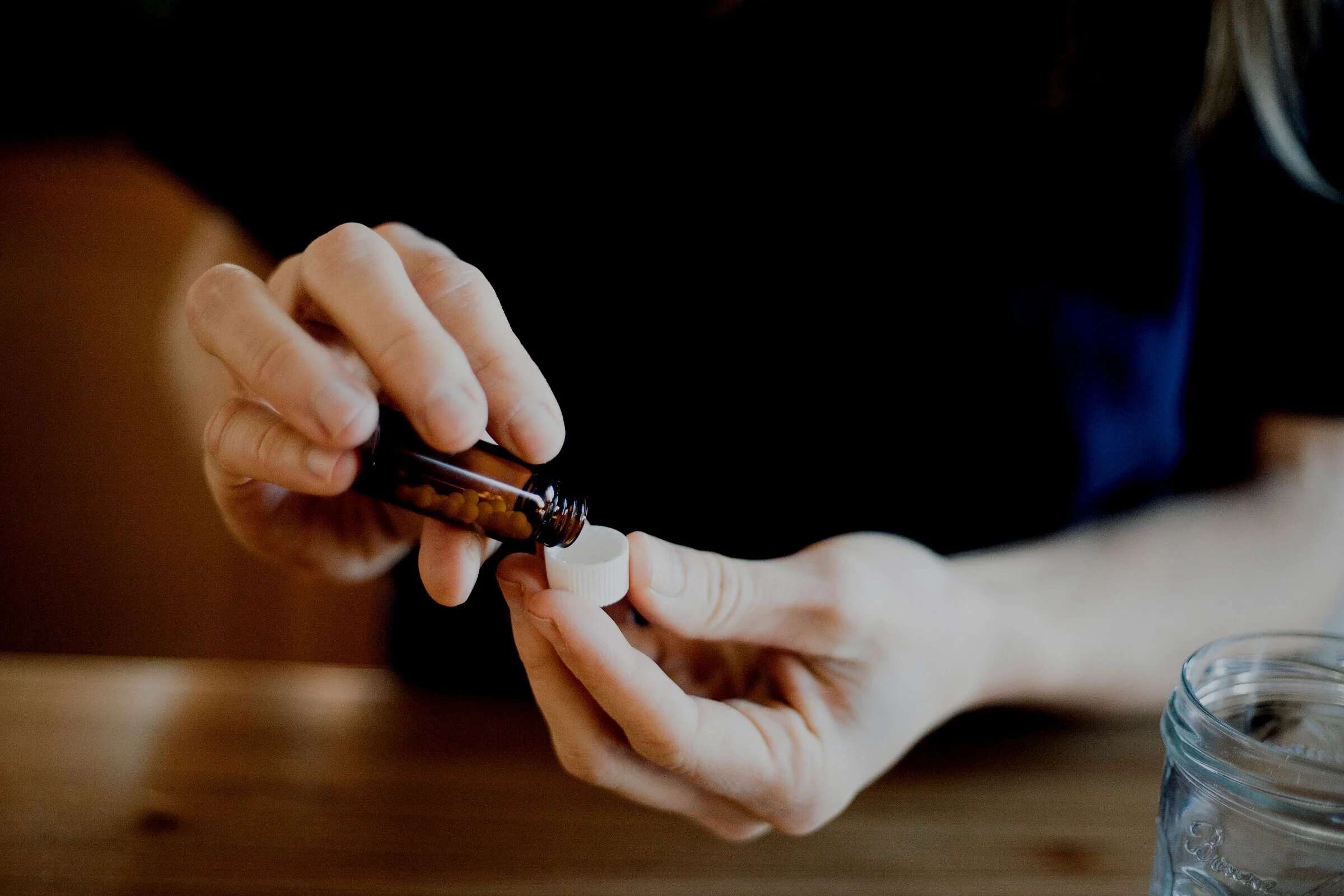
There’s no one single remedy for fever in homeopathy. Like always with homeopathy, you need to understand the unique way a person has the fever. Did it come on all of a sudden? Was it after the person was exposed to a cold wind? Do they desire cool drinks or warm? All of these little details help select the remedy that best supports the individual experiencing the fever.
Homeopathy
There’s no one single remedy for fever in homeopathy. Like always with homeopathy, you need to understand the unique way a person has the fever. Did it come on all of a sudden? Was it after the person was exposed to a cold wind? Do they desire cool drinks or warm? All of these little details help select the remedy that best supports the individual experiencing the fever.
Homeopathy works by matching the frequency of the person with the frequency of the substance the remedy is made from. I think of it like tuning an instrument. If you aren’t ready to nerd out on learning homeopathy for your personal use, finding a practitioner to help navigate the intricacies of selecting remedies is the way to go. It used to be only medical doctors that practiced homeopathy in the US and that’s still the way it is in most European countries. We have an idea of how it works but let’s just remember how little we really understand in how we practice medicine (look up the method of action for aspirin. oh wait, you can’t because we don’t know…). For things like homeopathy, the clinical evidence is more than enough to show how beautifully this medicine can support us in health. Fevers and acute illness are absolutely no exception.
Here are some examples of common homeopathic remedies used with fever just so you get an idea of when some remedies are used over others.
Belladonna: Sudden onset of a high fever. The face is hot but the hands are feet are cool. The person is usually flushed with heat and may have night terrors, dilated pupils and are thirst-less.
Arsenicum: The person is cold with burning pains that are better with heat. They pretty much can’t been too warm. They desire small sips of warm liquids often or are thirst-less. They are generally restless and a little (or very) anxious.
Aconite: Sudden onset of high fever with one cheek red, the other pale. This one often comes after exposure to a cold, dry wind and their pupils are more constricted.
Hydrotherapy
When it comes to addressing a fever, it’s best to come up with a plan that both you and your healthcare provider feel comfortable with. The most effective fevers are right around 101-102 degrees F. One of my absolute favorite ways to support an effective fever (and lower fevers that start to feel a little too high) is with hydrotherapy. These are the guidelines I use.
If there is no fever in the case of an infection, a warm bath can help support warming the core to better fight the virus/bacteria.
For temperatures between 98.6-99.5 degrees: magic sock treatment. Check out my IGTV on how to I do magic socks.
For temperatures between 99.6 up to 104 degrees: Neptune’s Girdle. Wring out a thing bath or hand towel in cold water. Fold in half so it’s two layers thick and wrap around torso covering chest to hip bones. Tightly wrap a dry wool blanket around the cold wet bowl and wear this wrap until the body warms it up. This usually takes 10-20 minutes.
For temperatures over 104 degrees: A tepid bath (around 99 degrees F) can be drawn. The person should sit in the bath just until shivering starts.
These are old-school fever management methods that have proven effective time and time again. Clemence ended up with a fever over 105 degrees F and within a few minutes in a tepid bath and a well selected homeopathic remedy (talking about this tomorrow), it had dropped to 103 degrees F. That felt a little more reasonable and allowed her to be quite a bit more comfortable while her body kept fighting the infection.
Fasting
Did you know the digestive system basically shuts down around 99.5-degrees F? That is because as the core temperature rises, fighting infection and addressing inflammation becomes a higher priority. This is actually the way things go when the body encounters any form of stress, digestion is one of the first things to go.
That means the old saying “starve a fever” is actually pretty spot on. Keeping the diet simple and easily digestible prevents maldigestion and toxicity that comes from food sitting in the digestive tract. The exception is in pregnancy, breastfeeding and other conditions where fasting would not be appropriate. So what are some of the best foods during fever? Bone broth is numero uno. Long cooked rice in the form of congee too. Bieler’s broth is an excellent form of vegetable soup (recipe is easily found with a google search) full of minerals from zucchini, celery, string beans and parsley that are cooked and blended for easy assimilation. Herbal teas, Pu-erh and black tea, fresh juice, whole fruit popsicles and plenty of filtered water at whatever temperature sounds the best. Stewed and pureed fruits are also a great option here. And for breastfeeding kiddos, breastmilk is often they only form of nourishment and hydration they will accept and as taxing as it can feel as the maker of all that nourishment, it’s really the best thing they could be getting. Literally tailor-made for exactly the kind of illness they are dealing with.
All that being said, there’s no reason to force food during a fever (especially in the first few days). The biggest priority is preventing dehydration with plenty of liquids. Hunger will come back when the body is once again ready to break down and assimilate food.
Benefits of Getting a Fever
Chances are, you were taught to reduce fevers, like I was. Becoming a naturopath forced a paradigm shift (many, actually) around how I approach fevers but nothing has put that to the test quite like watching my own kiddo venture into uncertainty of a really high fever this last week. That sure brought out the mama bear in me! Even still, trusting the body has never led me astray and I came out of the experience with even more confidence in just how freaking ah-mazing the human body is when we support its healing potential.
One of our greatest defenses against infection is the ability to increase our core temperature. In doing so, enzymatic reactions increase, immune cells proliferate, and the environment in which the bacteria or virus thrives becomes a bit less inviting. This is especially important before the immune system is mature and ripe with all the antibodies necessary for more complex immune responses, like when you’re a child.
It’s for all these reasons that understanding and managing fever is important rather than automatically moving towards the acetaminophen as soon as a temperature is registered. By reducing fever, especially with medications, the illness can actually be prolonged because the body’s defenses against infection haven’t been allowed to carry out the response that was necessary in order to manage the infection properly. There’s always exceptions to the rule, which is why having a health care provider that understands the benefits of fever and how to manage it properly is so important.
Fever is also an excellent way for the body to detoxify through a ramped up metabolism, fasting and whatever discharges (sweating, diarrhea, vomiting, mucous producing, etc.) that comes along with the illness. This is one of the reasons I get a little worried when someone tells me they never get sick because I wonder how they’re handling their waste products (where are they going?) when they aren’t getting sick at least annually. It’s actually really common for people experiencing chronic illness to not get sick that often so it’s definitely a goal to bring that about at some point in treatment.
I’m going to spend this week talking more about fever. There’s even a spiritual side of fever. Of course there is! Stay tunes and in the meantime, what’s your favorite first foods after coming out of being sick with a fever? Homemade chicken soup, white rice with butter and applesauce for me!

You Are Mean't to Bleed: Thoughts on Getting your Period
While it’s without a doubt more convenient to skip you period or bleed very lightly, the female body was designed to release (literally and energetically) each month, with the exception of pregnancy or menopause. Even in my practice I see many women who do “really well” on hormonal birth control, meaning they don’t experience the classic crazy, or the weight gain, or the headaches, etc. but they are still coming to see me for a reason that seems unrelated but often actually isn’t.
While it’s without a doubt more convenient to skip you period or bleed very lightly, the female body was designed to release (literally and energetically) each month, with the exception of pregnancy or menopause.
Even in my practice I see many women who do “really well” on hormonal birth control, meaning they don’t experience the classic crazy, or the weight gain, or the headaches, etc. but they are still coming to see me for a reason that seems unrelated but often actually isn’t.
The birth control pill affects your nutrient status, specifically b-vitamins, zinc and magnesium (all, so important). It also affects your microbiome and gut health, which plays such a huge role in neurotransmitter production. That means it can affect your mood, mental clarity and general sense of wellbeing. It’s also worth noting that a fairly recent research study published in the New England Journal of Medicine demonstrated and increase in breast cancer risk regardless of whether hormones were being delivered via pill, patch, implant, ring or IUD. That’s serious business.
Also, beyond the physical effects of hormonal birth control and the lack of period that often comes with it, the act of bleeding each month is a sacred ritual. It is an internal rhythm of your incredible, feminine, wild self that mimics the perfect rhythm of the environment in which you belong. If you’ve been hesitant to embrace this truth, take a moment to reflect on why that is the case. What have you been told about bleeding or being a woman? Is there some part of yourself that you’ve been neglecting that need nurturing? Is there a story that you’re ready to let go of in order to reclaim this part of being a woman?
I love helping find non-hormonal forms of contraception that works for you and if you’re taking the pill to manage other symptoms, like acne, painful or irregular periods, endometriosis, etc then it’s probably time to do the work to understand why you’re experiencing those symptoms. Conventional medicine doesn’t have great ways of addressing those symptoms besides the pill but naturopathic, Chinese medicine & functional medicine does. If you’re looking for support.
How Does Homeopathy Work?
Most common question when I’m going over a wellness plan for a client.👆🏻 And well, the specifics of exactly what is happening with homeopathy on an energetic and cellular level have yet to be explained, just like so many of the pharmaceutical drugs used today! So, don’t let that deter you from its use because it’s gentleness and effectiveness has been witnessed for hundreds of years and I literally see it change lives in my practice all the time.
Most common question when I’m going over a wellness plan for a client.👆🏻 And well, the specifics of exactly what is happening with homeopathy on an energetic and cellular level have yet to be explained, just like so many of the pharmaceutical drugs used today! So, don’t let that deter you from its use because it’s gentleness and effectiveness has been witnessed for hundreds of years and I literally see it change lives in my practice all the time.
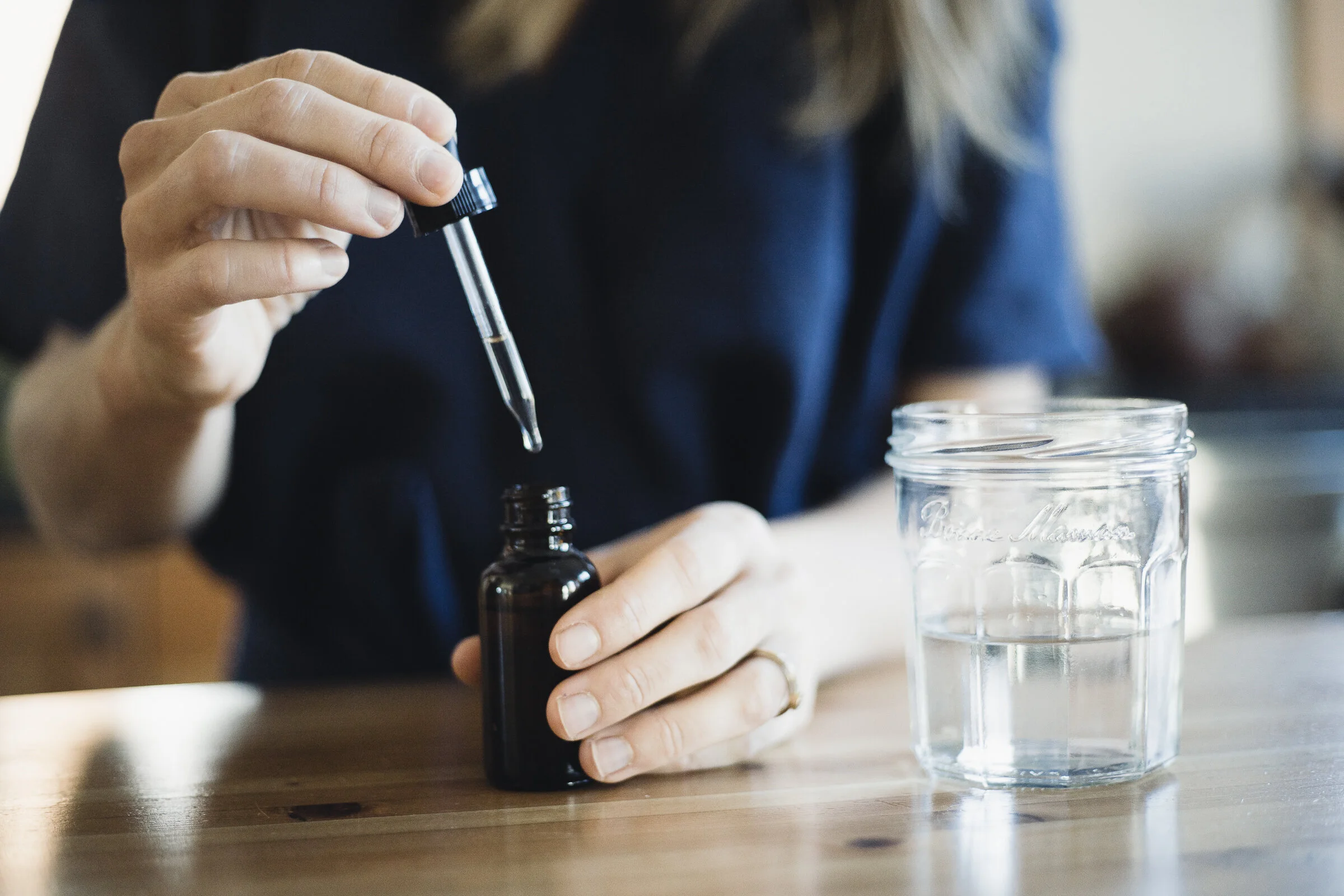
Homeopathic remedies are made by extracting substances into a tincture form and then taking one drop of that tincture and placing it into 99 drops of purified water. That mixture is then succussed (tapped on the preparer’s hand), which imprints the energetic signature of the substance on to the structure of the water. This process of dilution is repeated until the desired potency is reached. The more it’s diluted, the more “potent” the remedy. Lower dose remedies work more on the physical plane and higher dose remedies start to encompass more emotional and energetic aspects of a person.
I think of choosing remedies a little bit like giving you a tune up. When your body is in a certain illness state, it emits a frequency. Each remedy also has a frequency and by asking a lot of funny questions (if you work with me, you know!), I can start to pick up on your frequency. I can match a remedy to your frequency and by taking that remedy, your own frequency can start to neutralize or come back into a more balanced baseline for you.
I truly believe if you’re not supporting your body in healing energetically as a part of your greater healing plan, you’re only going to get so far. It’s such an important element of our bodies. We are light and energy beings. We may not understand it completely but we can still use it to bring about health, which is pretty marvelous.
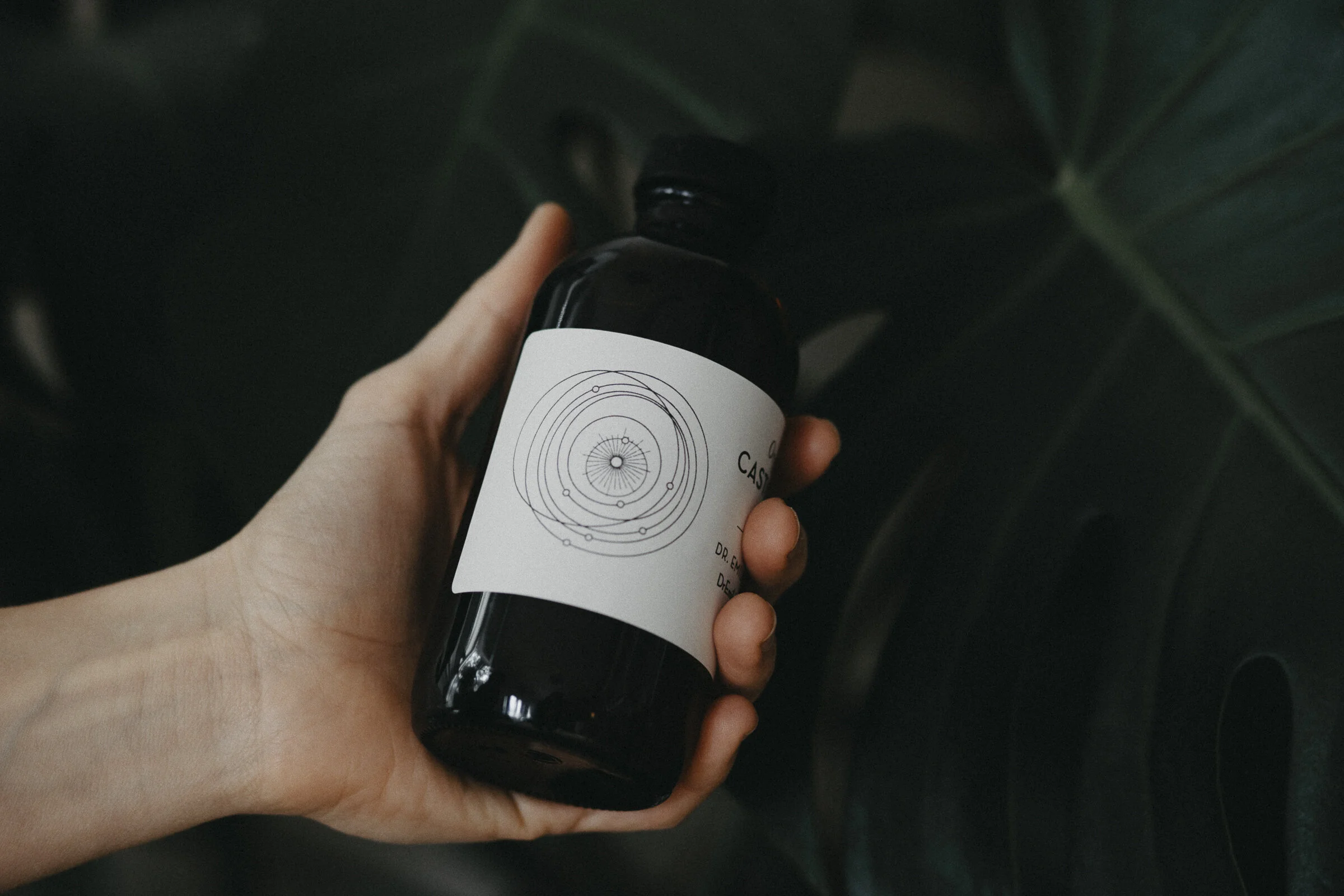
Why I Love Castor Oil
Did you know castor oil was found in Egyptian tombs? Truth! It’s been around for a while and is such an important part of my treatment plans. The number one benefit of topical castor oil is improving lymphatic drainage. We have 2-3 times as much lymph in our bodies as we do blood and it’s basically our sewer system. Waste from regular metabolism and detoxification is carried in the lymph to be removed from the system. When lymph is stagnant, we are literally sitting in our own waste. Yikes!
Did you know castor oil was found in Egyptian tombs? Truth! It’s been around for a while and is such an important part of my treatment plans. The number one benefit of topical castor oil is improving lymphatic drainage. We have 2-3 times as much lymph in our bodies as we do blood and it’s basically our sewer system. Waste from regular metabolism and detoxification is carried in the lymph to be removed from the system. When lymph is stagnant, we are literally sitting in our own waste. Yikes!
Castor oil is also known to stimulate the Peyer’s patches, which are also part of the lymphatic system but super important for our immune system specifically. They sample the bacteria in our intestines and monitor and prevent overgrowth of pathogenic bugs. That means it’s an essential element of gut health & ultimately chronic illness.
Another aspect of gut health is to keep things moving along the entire tract. This prevents food from sitting in the intestines too long, fermenting and causing all sorts of problems. Castor oil (can you tell how much I love this stuff yet) helps supports the autonomic nervous system to encourage motility in the intestines and overall improved digestion.
If the toxic burden in your body is high, it is possible for topical castor oil to cause some lose stools or some detox reactions at first, which is why I think it’s always important to be working with a doctor that is familiar with its use and so you can troubleshoot to make sure it’s use is tailored to you as an individual.
I buy organic castor oil in bulk and repackage it for my patients that it is the most affordable, stored in glass and able to be refilled.
Have you been using topical castor oil? If so, what benefits have you experienced? I’d love to hear your thoughts!