BLOG

Virtual Visits: What It's Like To Meet Virtually Vs. In-Person
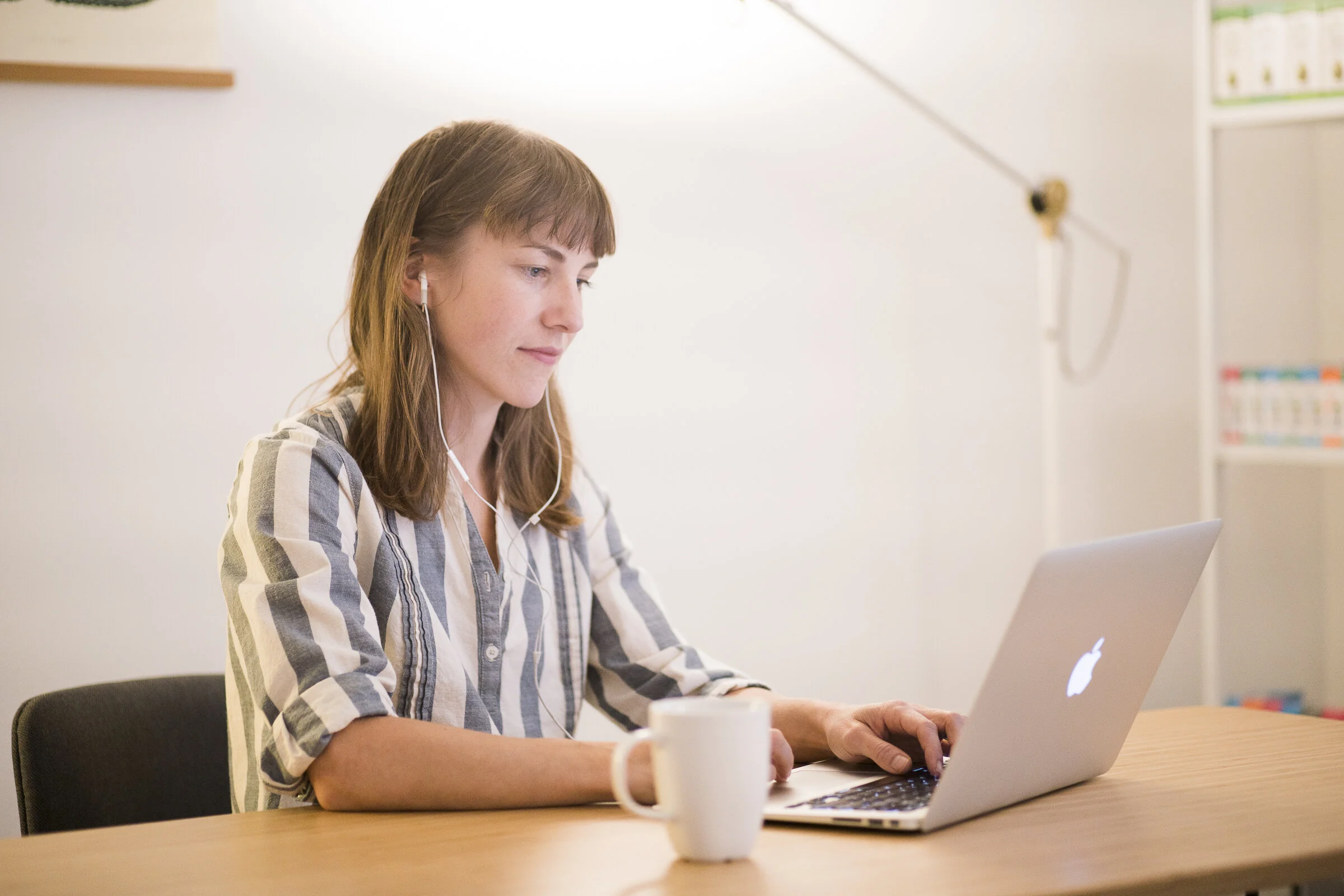
I’m seeing a vast majority of client virtually these days and I’ve had a lot of questions about what it’s like to meet virtually, rather than in-person.
First of all, now is such a great time to address your health because there is an amazing opportunity to slow down right now. With as much conflicting information as there is out there, having a guide to individualize a plan that is made for you specifically is so, so important.
I’m seeing a vast majority of client virtually these days and I’ve had a lot of questions about what it’s like to meet virtually, rather than in-person.
First of all, now is such a great time to address your health because there is an amazing opportunity to slow down right now. With as much conflicting information as there is out there, having a guide to individualize a plan that is made for you specifically is so, so important. Just today, I brought back the option to book a 15-minute discovery call so you can understand what addressing your specific health goals might look like and to see if we’re a good fit. If you’re interested, you can follow the link in my bio to book. Otherwise, here’s what to expect from meeting virtually.
Once you’ve scheduled your 60 minute initial consult, intake and consent forms are sent through my online portal for you to complete. You can also upload any medical records or lab results for me to review. You’ll receive a link for your visit the day of your appointment and we can meet face-to-face or over the phone, based on what works for you. If we decide labs are appropriate, test kits can be sent directly to your home and results will be uploaded to the portal so we can review them during your next visit. Your full plan recommendations will be uploaded to the portal for you to see after the visit. Any remedies or supplements we’ve decided on can be found through my online dispensary or we can discuss options that you can find locally. I have clients all over the world so we work together to find the best options you have access to.
The clients I work with are ready to make a change. Most them come to me experiencing irregular or painful periods, PCOS, endometriosis or difficulty conceiving. They feel like they’ve tried everything else and haven’t gotten the answers or results they were looking for. I hear it all the time and I fully embrace being a different kind of doctor. If you’re ready for that, reach out!
If you have any other questions, feel free to contact me here.
And if you’re ready, you can go ahead and book your initial 60 minute consult.
Lab Tests to request when you think you may have PCOS
The word is out more than ever about Polycystic Ovarian Syndrome and for good reason with it being the most common chronic illness in women of reproductive years. You may have heard about it online or from a friend but how do you know if you have it? PCOS is diagnosed using what is called the Rotterdam Criteria and you basically need 2 out of the 3 criteria for a diagnosis.
The word is out more than ever about Polycystic Ovarian Syndrome and for good reason with it being the most common chronic illness in women of reproductive years. You may have heard about it online or from a friend but how do you know if you have it? PCOS is diagnosed using what is called the Rotterdam Criteria and you basically need 2 out of the 3 criteria for a diagnosis. Here are the 3 criteria: 1. Symptoms of high androgens (hair loss, abnormal hair growth, weight gain, acne, irregular or absent menstrual cycles) 2. High androgens based on lab work (testosterone, mainly, but also DHEA) 3. Multiple ovarian cysts seen with an ultrasound. Even with elevated androgens, you may not have a lot of the symptoms. It’s possible you’re just having irregular cycles or you have regular cycles but you have acne. Regardless of what the constellation of symptoms you are experiencing are, if you’re having any of those symptoms or even none at all but you’re having trouble conceiving, it’s worth asking your doctor to run some tests. If your doctor refuses, as many of my clients have experienced, find a new doctor that will listen to you and trust your experience. Here are the tests worth getting if you want to see if you have PCOS:
Free Testosterone
Testosterone is an androgen in your body that may be elevated with PCOS. It is, at least in part, responsible for the acne and male-pattern hair loss that is often seen in PCOS. While we think of testosterone as mainly a hormone in men, women do need it to feel balanced but at lower levels. Elevated testosterone, along with symptoms of PCOS or the presence of ovarian cysts is diagnostic for the condition.
Progesterone
Testing progesterone on day 21 of your cycle can indicate if you’ve ovulated or not. I want to see progesterone at least 20ng/ml for optimal health. If you’re not having a period, then you aren’t ovulating at all. Low progesterone is very common in PCOS and is often a result of not ovulating. Progesterone below 3ng/ml is a sign that ovulation hasn’t happened. Diet and lifestyle, as well as herbs and homeopathy, can be very helpful in restoring ovulation and regulating your period.
Thyroid Panel (TSH, Free T3, Free T4, TPO, RT3)
The ovaries are very closely related to the health of your thyroid and it's common for thyroid hormones to be out of balance in PCOS. Recognizing the need to address both the health of the ovaries and the thyroid to start successfully reversing this condition is an important part of your care.
LH/FSH
LH stands for luteinizing hormone and is elevated in 75% of cases of PCOS. FSH stands for follicle stimulating hormone and it is often low when experiencing PCOS. The ratio of these two hormones together is elevated in 94% of PCOS cases so it can be very helpful to see the full picture of where your hormones are currently.
Fasting Insulin and Fasting Glucose
Insulin Resistance (IR) often accompanies PCOS and can be significant when weight gain is one of your symptoms. These two tests can indicate your blood sugar levels and the insulin response and can help individualize dietary recommendations to stabilize blood sugar.
BONUS: Transvaginal Ultrasound (TVUS)
An ultrasound can show if cysts are present on your ovaries. They are present in a majority of PCOS cases and would be worth performing particularly if you are experiencing difficulty conceiving and are without symptoms of PCOS. Some women do have multiple cysts and blood work out of range without symptoms. This is definitely more rare but worth ruling out if you’ve been trying to get pregnant for some time.
I also often like to see results from cortisol testing to see how your circadian rhythm and stress response is doing. The health of your adrenals, and really your entire hypothalamic-pituitary-adrenal axis (basically the communication from your brain to your adrenals), has so much to do with whether your body is effectively signaling you to ovulate and have regular periods.
Finally, if you do end up being diagnosed with PCOS, know there is so much more to be done to reverse your PCOS beyond getting on birth control pills. When the underlying cause of your PCOS is addressed, you can actually start to heal rather than just addressing the symptoms.
If you’re interested in learning more about my approach, book a 15 minute discovery call now.
Now Is The Perfect Time To Reverse Your PCOS
Have you been having irregular or totally absent menstrual cycles? Maybe, hair loss or acne? Or maybe you’ve been trying to get pregnant for months and it’s just not happening. Or you’re worried about how easily you’ll be able to get pregnant in the future.
I know what that is like because I’ve been there, not to mention worked with so many women experiencing the exact same thoughts and symptoms.
To watch the live FB video that this information is pulled from, head here!
Have you been having irregular or totally absent menstrual cycles? Maybe, hair loss or acne? Or maybe you’ve been trying to get pregnant for months and it’s just not happening. Or you’re worried about how easily you’ll be able to get pregnant in the future.
I know what that is like because I’ve been there, not to mention worked with so many women experiencing the exact same thoughts and symptoms.
I was diagnosed with PCOS when I was in my early twenties after struggling for years with severe symptoms. I hadn’t had a period in two years, my hair was falling out, there was acne all over my jaw, and I was depressed and feeling really, really poorly about myself; I went to several doctors who told me that I should get used to my symptoms and that there really wasn’t anything I could do besides going back on hormonal birth control.
For some reason I just knew that that wasn’t the right thing for me. I had been on hormonal birth control before and I didn’t like who I was, not to mention there were so many side effects—instinctively I knew that that wasn’t how a young woman was suppose to feel, so I kept asking around. Finally, I was put in touch with a naturopathic doctor, and as soon as I sat down he seemed to know exactly what was happening on a foundational level. He then ran a few tests and confirmed that I had PCOS when a lot of other doctors didn’t take the time to understand what was going on.
And within four months I was cycling again, my skin was clearing, and I was generally feeling better about myself; I was nourishing my body and really giving it what it needed instead of just trying to mask symptoms with the birth control. The best thing about it was when I was ready to get pregnant, about ten years after all of this, I was able to do so really easily; I knew my body was healthy and fertile, so as soon as the timing was right, it happened, and now I have a beautiful daughter.
This is a huge part of why I’ve decided to help hundreds of women with PCOS and other hormonal imbalances, helping to restore their cycles, and their fertility; I’m so grateful to be able to share this message and guidance with other women so that they too can heal and reverse their PCOS, living the lives they know they’re mean’t to live.
We get there by working to individualize a plan.
To support the gut health, thyroid health, rebalance the adrenal glands, all the while reducing inflammation, which is always present in PCOS. The other two things that are emphasizing stress management and treating the emotional aspects of a person and of this particular diagnoses or constellation of symptoms.
The typical approach of dealing with PCOS is through hormonal birth control pills and blood sugar stabilizing medications. Once on those, you stay on them until you’re ready to get pregnant, and once you come off of them, you just hope that that your body is going to naturally bounce back, though more often than not, it doesn’t. At this point, you’re either encouraged to take other medications to help you get pregnant or to rely on pretty invasive and very, very expensive infertility treatments like IVF or IUI.
Unfortunately, those medications simply mask the symptoms and don’t address the underlying issues, which are a lot of what I was speaking about before: your gut health, adrenal health, how you manage your stress, and how your inflammation levels are at the moment. And that doesn’t even address all the side effects you might be experiencing because of those medications.
What I choose to do instead is to really dig deeper, rebalancing your body on a foundational level and making it so you don’t experience those symptoms anymore because your hormones, gut, and adrenals are working as they should and you’re living more in balance with the natural rhythms.
Like I mentioned before, this condition is something that I’m really passionate about because I’ve been there myself. I think it’s really important that we start working on that level so that you can start feeling better while pursuing your dreams; whether that’s starting a family or starting a business, you’re worth it, and this is one of the best ways that I know how to make that happen.
So, if you are interested in learning more, you’re welcome to message or email me or go ahead and book an appointment here.
I’m so excited to share this with you and I really look forward to hearing from you!
Cauliflower Fried Rice
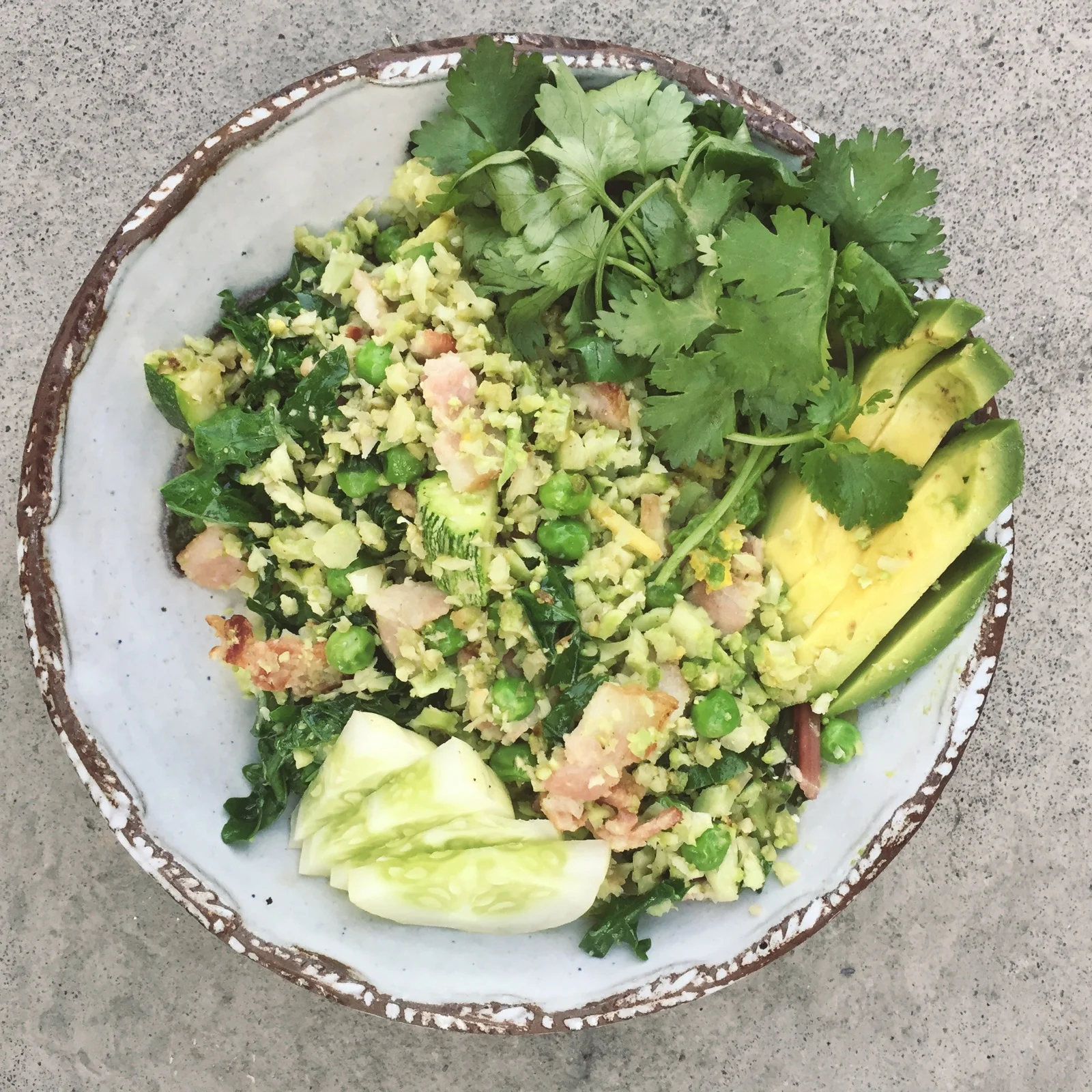
This is a super-quick and delicious meal if you're looking to pack in a ton a vegetables and healthy fats, while avoiding grains. You don't have to be completely avoiding grains in your diet to appreciate a grain-free meal from time to time and this one is really satisfying and easy to throw together on weeknights, when you're looking for something comforting, yet nourishing.
This is a super-quick and delicious meal if you're looking to pack in a ton a vegetables and healthy fats, while avoiding grains. You don't have to be completely avoiding grains in your diet to appreciate a grain-free meal from time to time and this one is really satisfying and easy to throw together on weeknights, when you're looking for something comforting, yet nourishing.
Traditional fried rice often uses cheap, vegetable oils and is heavy on the rice, which can spike blood sugar and increase inflammation. By using high-quality oils, pastured eggs, and organic produce, this is a really healthy alternative. Cauliflower is full of cancer-fighting properties and helps support healthy detoxification pathways. Dark leafy greens contain folate and tons of minerals. And garnishing with cilantro helps naturally clear toxics and heavy metals from the body. Each ingredient in this dish has a purpose in helping feed you well. Enjoy!
GRAIN-FREE CAULIFLOWER FRIED RICE
INGREDIENTS
1 head cauliflower
4 slices pasture-raised bacon, chopped into 1/2 inch pieces
3 tablespoons avocado or coconut oil
2 cloves garlic
1 inch ginger, peeled and thinly sliced
2-3 small zucchini, quartered lengthwise and sliced
2 cups chopped dark leafy greens (chard, kale, spinach, etc.)
1 cup peas, fresh or frozen
1/2 cup chopped cilantro
Avocado
Cucumber
METHOD
1. Start by cutting cauliflower into florets. Add to food processor and pulse until broken into small, rice-sized pieces.
2. Heat a large sauté pan (preferably cast iron) on medium heat and add bacon. Cook until fat is rendered and add oil, garlic, zucchini, riced cauliflower to the pan. Sauté until cauliflower and zucchini begins to soften, 5-8 minutes, stirring periodically. Add greens and peas and cook another 3 minutes, until greens are wilted and peas are soft.
3. Serve hot garnished with chopped cilantro, avocado, and cucumber.