
BLOG
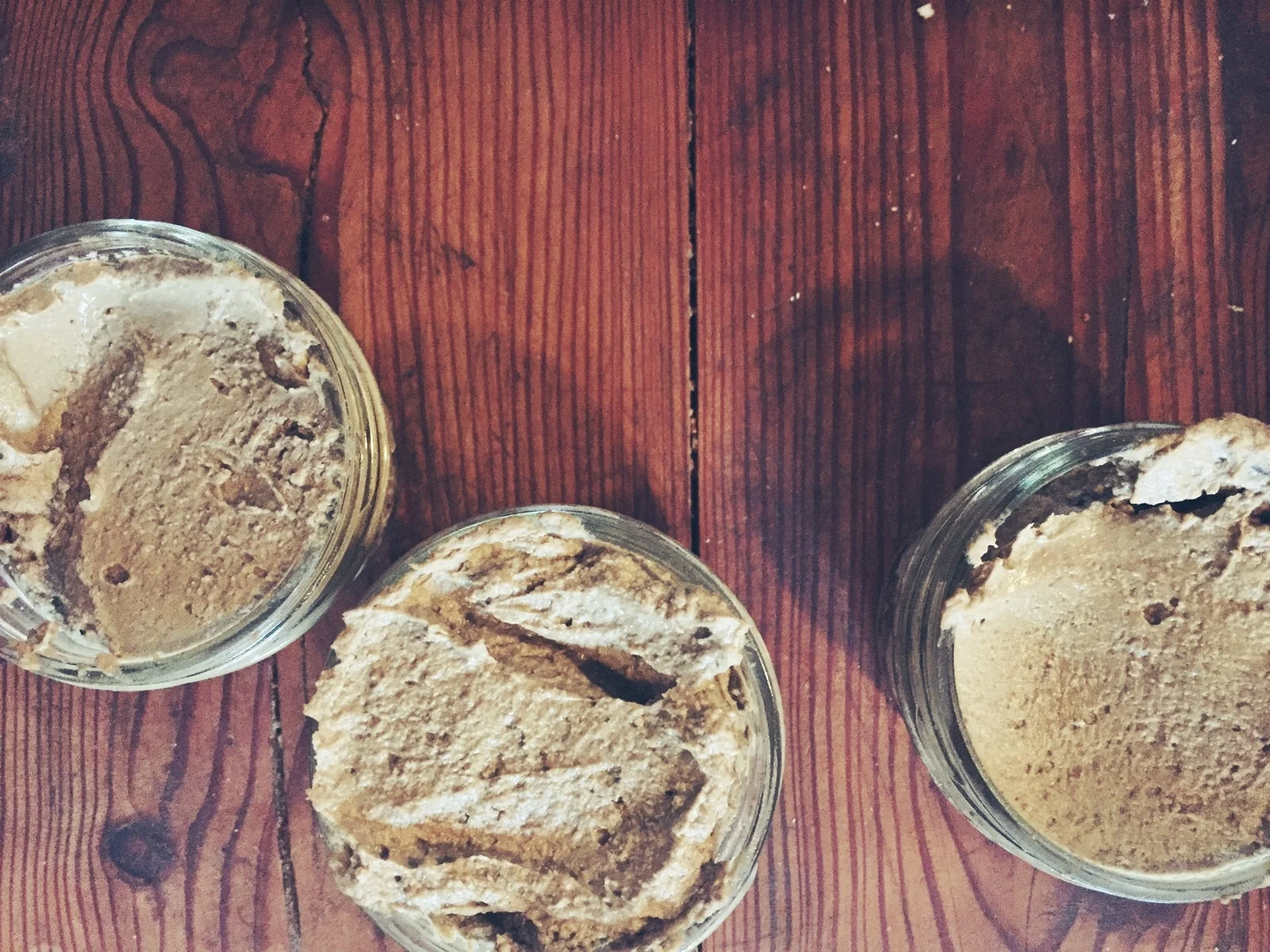
Chicken Liver Pate
Liver is one of the most nutrient dense foods out there! Full of B-vitamins, minerals, and protein, it’s a superstar food to include on a weekly basis. If you naturally love liver, I’m jealous! Pate and hiding it in meatloaves or other dishes is the only way I find it palatable. Most of the time, I’ll even buy the pate because I’d rather not prepare it myself. Or, at least that used to be the case. Enter this recipe. For whatever reason, I have no problem cooking up this pate and eating it straight away. It was even delicious warm. I know, I wasn’t expecting that either. I hope you love it as much as I do!
Liver is one of the most nutrient dense foods out there! Full of B-vitamins, minerals, and protein, it’s a superstar food to include on a weekly basis. If you naturally love liver, I’m jealous! Pate and hiding it in meatloaves or other dishes is the only way I find it palatable. Most of the time, I’ll even buy the pate because I’d rather not prepare it myself. Or, at least that used to be the case. Enter this recipe. For whatever reason, I have no problem cooking up this pate and eating it straight away. It was even delicious warm. I know, I wasn’t expecting that either. I hope you love it as much as I do!
Chicken Liver Pate
1 pound chicken livers, preferably pasture raised
1 shallot, minced
1/2 cup butter, divided
1/2 cup red wine
4 cloves roasted garlic*
1 teaspoon dijon mustard
2 sprigs fresh thyme
1 sprig rosemary
1 tablespoon lemon juice
sea salt
Method
1. Melt 2 tablespoons butter in medium-sized skillet over medium heat. Add chicken livers and shallot and cook until browned.
2. Add red wine, roasted garlic, dijon, thyme & rosemary to the skillet and cook until most of the liquid is gone. Add lemon juice.
3. Transfer liver mixture and butter to a food processor and process until smooth. Add sea salt to taste.
4. Store in airtight container in refrigerator for up to one week. I usually freeze half the mixture in smaller mason jars.
Serve with almond flour or flaxseed crackers, apple slices, salami & raw cheese. Also delicious heated in pan with steamed or roasted vegetables.
*Roasted garlic: Preheat oven to 400 degrees F. Take a full head of garlic and chop about a 1/2-inch off from the top. Drizzle exposed cloves with olive oil and wrap the head of garlic in tin foil. Roast for 30-40 minutes.

Boosting Progesterone Naturally
So maybe you've been tracking your cycle and you notice you have a short luteal phase, which is generally less than 10 days between ovulation and bleeding time, or you just had your progesterone tested and it came back low. It's possible your doctor recommended progesterone cream and maybe you're looking for other ways to increase your own production of progesterone. Here are my top progesterone production boosting tips!
So maybe you've been tracking your cycle and you notice you have a short luteal phase, which is generally less than 10 days between ovulation and bleeding time, or you just had your progesterone tested and it came back low. It's possible your doctor recommended progesterone cream and maybe you're looking for other ways to increase your own production of progesterone. Here are my top progesterone production boosting tips!
Natural ways to increase progesterone production
1. Get better sleep
Getting good rest is not entirely specific for increasing progesterone levels but it is important for allowing your body to heal, period. So, sleep is an important place to start if you're experiencing any kind of imbalance and this should be the number one focus before implementing other kinds of supplementation. Sleep issues can stem from an overexcited nervous system, liver stagnation, adrenal imbalance, poor sleep hygiene, or many other reasons and if the reason you're not resting well is unclear to you, I encourage you to work with someone to figure out how to help you figure out what is preventing you from sleeping well.
2. Eat more cholesterol & fat
Progesterone is one of several hormones produced from cholesterol. While not everyone absorbs large amounts of cholesterol from their diet, consuming enough cholesterol and fat is important for hormone balance and the integrity of your cells walls and therefore tissues. Fat is also important for blood sugar balance and insulin resistance, which plays directly into the health of your hormones. Make sure you're looking towards high quality sources of fat and cholesterol, such as egg yolks, avocado, coconut, pasture-raised, 100% grass-fed animal meats and fats, sardines, wild salmon, anchovies, and oils from things like olive, coconut, avocado.
3. Castor oil
The liver processes all of our hormones and helps clear excess hormones from the system. Excess estrogen can contribute to progesterone deficiency and topical castor oil packs are a great way to help support the liver in clearing the extra estrogen. Symptoms of estrogen excess include breast tenderness and fluid retention, often seen just before your period starts. Estrogen disruptors are very present in our environment in plastics and many skincare products and can also be caused by excess abdominal fat and blood sugar imbalance. Daily rituals like castor oil packs on the abdomen are an amazing way to support daily detoxification and promote regular self-care.
4. Seed cycle
If you don’t already have my FREE Seed Cycling Guide, make sure you do that first because it’s where I go in depth into the whys and hows of seed cycling. In its most basic form, seed cycling is when you rotate flax/chia/hemp seeds in the first half of your cycle and sesame/pumpkin/sunflower seeds in the second half of your cycle to support the balance of estrogen and progesterone, which is the foundation for a healthy menstrual cycle and fertility. I often add fish oils and evening primrose oil and sometimes homeopathic remedies throughout the cycle to additionally support hormone rhythms throughout the month. It's amazing how something so simple and cost effective can be so effective in correcting hormone imbalance.
5. Vitamin B6
This B vitamin is essential in the production of the corpus luteum, which is formed in the ovary after ovulation. The corpus luteum then releases progesterone, which is why progesterone is higher in the second half of your cycle, after ovulation. Foods high in B6 include liver, all animal meat, salmon, eggs, avocado and pistachios. I rarely supplement B6 alone and generally recommend a B-complex to make sure those vitamins are being consumed in balance.
6. Vitex
Vitex agnus castus, or Chaste Tree, is a wonderful hormone balancing herb for women. It works by increasing Lutenizing Hormone (LH), which is required to stimulate ovulation, which then helps increase the release of production and release of progesterone from the ovaries. Vitex also reduces prolactin levels, which is a hormone that can effect progesterone levels. Just to create realistic expectations, Vitex can take some time to be effective so long-term use is generally required.
Think you might need more support?
If you think you could benefit from some guidance in working to balance your hormones, improving your fertility, dealing with infertility, PCOS or whatever symptoms you're experiencing that you think may be hormone related, I'd love to work with you. I see patients in Bend, OR and work with people long-distance as well. Click here to learn how to become a patient.
Photo by Andressa Voltolini

Progesterone Cream for Fertility and Hormone Imbalance?
Progesterone cream is often the recommendation when a woman has low progesterone. It's easy to find over the counter and it makes sense that if you're low in progesterone, it's probably worth supplementing. I like to take a few steps back from that thinking and consider why you might not be producing enough progesterone and start building up the system that way. Let's first take a look at what progesterone does for you body and why it's important.
Progesterone cream is often the recommendation when a woman has low progesterone. It's easy to find over the counter and it makes sense that if you're low in progesterone, it's probably worth supplementing. I like to take a few steps back from that thinking and consider why you might not be producing enough progesterone and start building up the system that way. Let's first take a look at what progesterone does for you body and why it's important.
Progesterone versus progestin
Before diving into what progesterone is, let me first explain what it is not. Progesterone is a hormone produced in your body or produced in a lab from a medicinal herb, generally Wild Yam. Progestin is a synthetically produced compound that is commonly found in hormonal birth control pills and hormone replacement therapies. Progestin does not have the same effect in the body as progesterone. Over-the-counter progesterone creams usually contain manufactured progesterone, not progestin. Got it? Ok, let's move on to what progesterone deficiency might look like in the body.
Progesterone in your body.
Progesterone is a hormone produced from cholesterol and is important in the second half of your menstrual cycle in order to create the ideal environment for implanting a fertilized egg in pregnancy. It's super important in fertility and also other conditions like PCOS, hypothyroidism, PMS, Hypothalamic-pituitary-adrenal axis dysregulation and many other types of hormone imbalance. After ovulation, the corpus luteum forms in the ovary and starts releasing progesterone. So, if ovulation isn't happening, then progesterone isn't happening so well. Recent research is also highlighting the effects of progesterone in breast, cardiovascular and nervous system health. Needless to say, progesterone is essential to our whole health picture.
Symptoms of progesterone deficiency
Hot flashes
Low libido
Headaches
Anxiety and depression
Irregular menstrual cycles (particularly short luteal phases, which is the time between ovulation and when your period starts)
Poor sleep
Thyroid hormone imbalance
Progesterone levels can be measured with a simple test that can be run to see if it is contributing to your symptom picture. Keeping track of your menstrual cycle and when you ovulate is another great way of determining general progesterone status.
Is progesterone cream the answer?
Like I said above, progesterone cream does treat the progesterone deficiency but misses the deeper underlying meaning of why you might be deficient in progesterone in the first place. It might be a lack of nutrients like cholesterol or magnesium in the diet, chronic stress or elevated estrogen. I would much rather see an increase in the natural production of progesterone rather than supplementing, if possible. That being said, if a woman were to not be interested in waiting to increase progesterone levels naturally and is interested in becoming pregnant or becomes pregnant, progesterone cream could be beneficial in maintaining a healthy pregnancy. That might be my one exception. Not my first choice but, there's the ideal scenario and then there's real life, right?
So, what is the best way to increase progesterone?
If you know you're progesterone deficient, check out my post on ways to increase progesterone naturally.
If you suspect you may be progesterone deficient and are looking to for a practitioner to help identify and treat the root cause of your symptoms, click here to find out how to become a patient. I work with people locally in Bend, OR and long-distance.
Photo by Nicole Mason
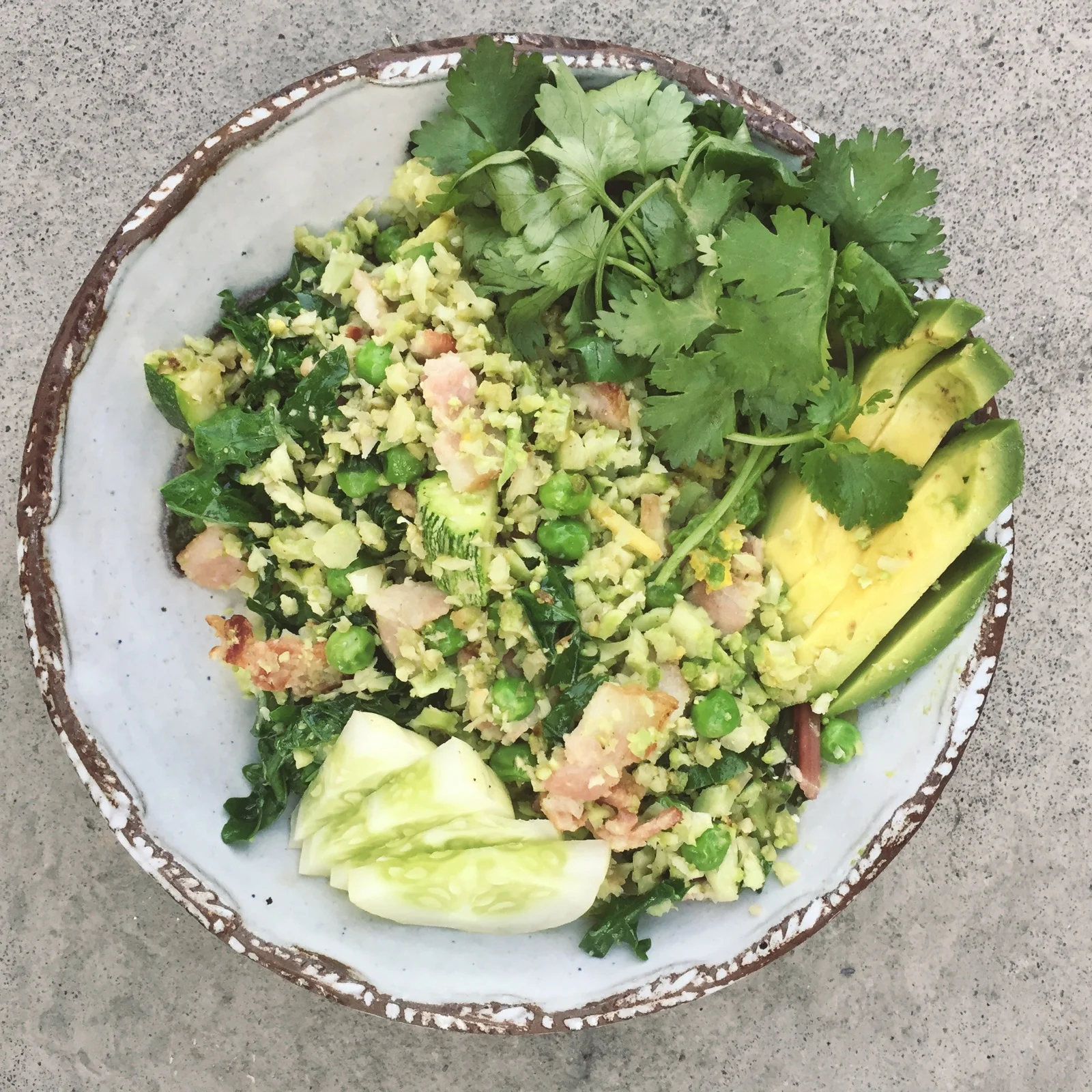
Cauliflower Fried Rice
This is a super-quick and delicious meal if you're looking to pack in a ton a vegetables and healthy fats, while avoiding grains. You don't have to be completely avoiding grains in your diet to appreciate a grain-free meal from time to time and this one is really satisfying and easy to throw together on weeknights, when you're looking for something comforting, yet nourishing.
This is a super-quick and delicious meal if you're looking to pack in a ton a vegetables and healthy fats, while avoiding grains. You don't have to be completely avoiding grains in your diet to appreciate a grain-free meal from time to time and this one is really satisfying and easy to throw together on weeknights, when you're looking for something comforting, yet nourishing.
Traditional fried rice often uses cheap, vegetable oils and is heavy on the rice, which can spike blood sugar and increase inflammation. By using high-quality oils, pastured eggs, and organic produce, this is a really healthy alternative. Cauliflower is full of cancer-fighting properties and helps support healthy detoxification pathways. Dark leafy greens contain folate and tons of minerals. And garnishing with cilantro helps naturally clear toxics and heavy metals from the body. Each ingredient in this dish has a purpose in helping feed you well. Enjoy!
GRAIN-FREE CAULIFLOWER FRIED RICE
INGREDIENTS
1 head cauliflower
4 slices pasture-raised bacon, chopped into 1/2 inch pieces
3 tablespoons avocado or coconut oil
2 cloves garlic
1 inch ginger, peeled and thinly sliced
2-3 small zucchini, quartered lengthwise and sliced
2 cups chopped dark leafy greens (chard, kale, spinach, etc.)
1 cup peas, fresh or frozen
1/2 cup chopped cilantro
Avocado
Cucumber
METHOD
1. Start by cutting cauliflower into florets. Add to food processor and pulse until broken into small, rice-sized pieces.
2. Heat a large sauté pan (preferably cast iron) on medium heat and add bacon. Cook until fat is rendered and add oil, garlic, zucchini, riced cauliflower to the pan. Sauté until cauliflower and zucchini begins to soften, 5-8 minutes, stirring periodically. Add greens and peas and cook another 3 minutes, until greens are wilted and peas are soft.
3. Serve hot garnished with chopped cilantro, avocado, and cucumber.
Serves 3-4

5 Natural Treatments for Hashimoto's Thyroiditis
A diagnosis of Hashimoto’s Thyroiditis generally means supplemental thyroid hormone will be needed long-term but there are absolutely things you could be doing to reduce your antibody levels and keep you on the lowest possible dose necessary to feel well.
A diagnosis of Hashimoto’s Thyroiditis generally means supplemental thyroid hormone will be needed long-term but there are absolutely things you could be doing to reduce your antibody levels and keep you on the lowest possible dose necessary to feel well.
#1 Selenium
Selenium plays an important role in the production of thyroid hormone as well as in many aspects of the immune system. That is why even a mild selenium deficiency can contribute to increased antibody levels. Selenium status can be improved simply by consuming 2-3 Brazil nuts each day. So simple!
#2 Get Good Sleep
Sleep sets the foundation for all of our physiological rhythms. The thyroid, like all of our endocrine glands, releases hormones at a different rate during different times of the day and in different situations. We also do a majority of our healing at night, which means if sleep is disturbed the potential for healing is greatly reduced, if not eliminated. By establishing a strong foundation of sleep, the endocrine and immune systems can begins to rebalance and heal.
#3 Release and Reframe Your Stress
Building stress release into daily life is an important means of bringing the body into a more parasympathetic (rest and digest) state. Stress is an inevitable part of modern life and it is how we deal with our stress that will effect our health the most. Meditation, walking, deep breathing and allowing for rest are my favorite ways of managing stress. Although learning to release stress is important, I also like to remind people that stress is not always a bad thing. It enables us to address the task at hand. Simply viewing your stress as a purposeful tool can reduce the harmful effects of stress on our physiology.
#4 Reduce Your Exposure to Hormone Disruptors
Even though we talk about the thyroid as an isolated glad, it is part of a greater whole within the endocrine system. The thyroid is most directly linked to the adrenal glands and the sex glands (ovaries/testes) so anything that effects those other these organs also effects the thyroid. I’m mostly talking about hormone disruptors as substances that mimic estrogen in the body. The list of hormone disruptors that are a part of most people’s lives every day is astounding. So many chemicals are allowed into our homes, onto our skin, in the air we breathe, and in the food we eat. The most effective ways of reducing daily exposures to chemicals is by eating organic, whole foods, drinking filtered water, and utilizing skin care and cleaning products that are chemical-free. The Environmental Working Group (EWG) has a couple wonderful platforms, Skin Deep and Dirty Dozen, to help make the world of chemical avoidance so much easier.
#5 Heal Your Childhood Trauma
The thyroid matures when a child is between 4 and 7 years old. Any trauma experienced during that time can affect how well the thyroid gland functions for the rest of one’s life. Traumas are can be anything that your nervous system wasn't not prepared to handle at the time and can include things like moving, the death of a friend or family member, abuse or being teased or bullied at school. Addressing the lasting effects of childhood traumas can be an incredible way of supporting the body to heal itself. Homeopathy is my favorite of gently supporting a person’s release of long-held trauma, no matter how significant. EMDR (Eye Movement Desensitization and Reprocessing) Therapy and EFT (Emotional Freedom Technique) can also be helpful in this process.